Published: Thursday, May 28, 2026 · 9:30 PM | Updated: Thursday, May 28, 2026 · 9:30 PM
📊 244 views




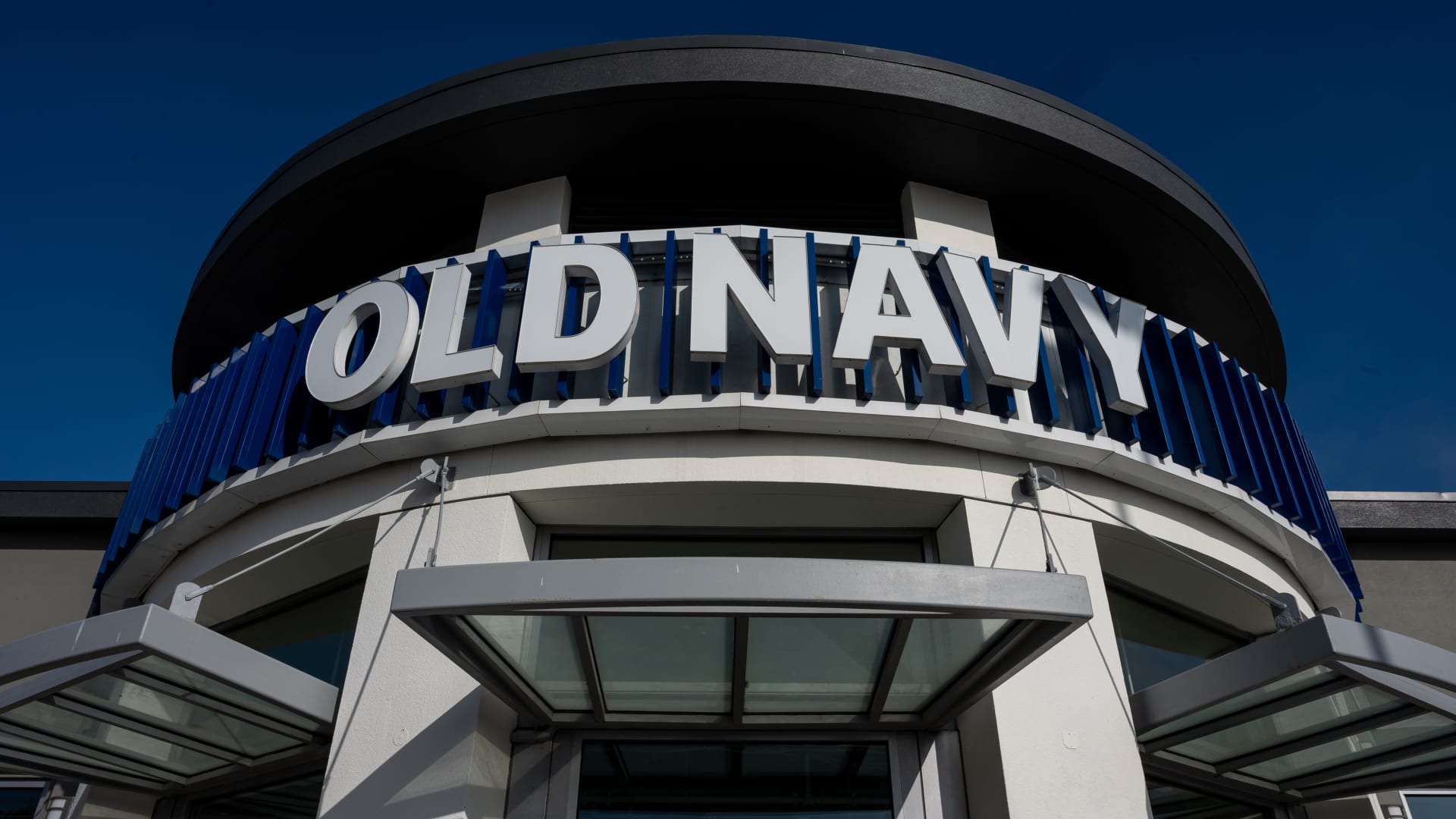
Gap Inc. has drastically revised its annual sales forecast downwards, primarily due to a significant underperformance at its largest and most crucial brand, Old Navy. The disappointing fiscal first-quarter results have sent shockwaves through the company, highlighting key execution challenges in product assortment and pricing strategy.
🗝️ Corporate Strategy Insights
- Assortment Miscalculation. Old Navy’s spring and summer collection failed to resonate with its target demographic, leading to a tangible sales shortfall and forcing a revision of overall guidance.
- Profitability Resilience. Despite sales concerns, Gap managed to raise its adjusted earnings per share outlook, driven by favorable tax rates and interest income, signaling some operational efficiencies elsewhere.
- Brand Performance Divergence. While Old Navy stumbled, the company’s namesake Gap brand saw a robust 10% comparable sales growth, underscoring the varied execution across its portfolio.
The steep 14% drop in Gap’s stock price following the announcement underscores investor concern over the core business performance. CEO Richard Dickson squarely attributed the sluggish sales to a misjudgment in the product offerings rather than broader economic headwinds, stating, ‘It’s not a consumer issue.’ This suggests a critical need for enhanced market analysis and quicker adaptation to evolving shopper preferences, particularly within the value-conscious segment Old Navy serves.
The impact of Old Navy’s performance cannot be overstated. Accounting for nearly 60% of Gap’s total revenue, any weakness in this segment directly translates to company-wide pressure. The missed analyst expectations for Old Navy’s comparable sales growth – 1% versus a projected 3% – paints a clear picture of the disconnect between the retailer’s inventory and consumer demand. Categories like dresses and swimwear were particularly weak, while activewear, denim, and children’s apparel showed relative strength.
- The company has now guided for overall sales growth of 1% to 2%, a reduction from its previous expectation of 2% to 3%.
- Adjusted earnings per share are now projected to be between $2.30 and $2.40, an increase from the prior forecast of $2.20 to $2.35.
- Gap reported Q1 revenue of $3.50 billion, a marginal increase from $3.46 billion a year prior, narrowly missing analyst estimates of $3.52 billion.
While the sales guidance has been tempered, Gap’s improved profitability outlook is a silver lining. The projected rise in adjusted earnings per share is bolstered by factors like tax rate favorability and increased interest income. The company is also holding back potential benefits from reduced tariffs, reserving half for potential promotional activities to stimulate demand and the other half for higher fuel costs, indicating a prudent approach to managing ongoing operational uncertainties. This dual narrative of faltering sales and improving profitability highlights a complex strategic landscape for Gap.
Why This Assortment Miss Matters for Retail
The failure of Old Navy’s seasonal assortment is a stark reminder of the challenges in fast-fashion retail. Companies must possess sophisticated inventory management and rapid product development cycles to keep pace with consumer whims. This event could signal a broader shift where value-seeking consumers are becoming more discerning, demanding not just low prices but also products that accurately reflect current trends and functional needs. For competitors, this presents an opportunity to capture market share by demonstrating superior agility in product design and marketing.
The broader market implications are significant. A miss of this magnitude from a major player like Gap suggests that even established brands can struggle with execution. This might lead to increased scrutiny on other apparel retailers’ inventory strategies and demand forecasting. The pressure on Gap to refine its approach, especially at Old Navy, will be intense. Investors will be watching closely to see if the company can course-correct quickly enough to regain lost momentum and avoid further stock price erosion. The recent announcement of Donald Kohler as the new CEO of Banana Republic also points to a broader strategic reevaluation across the company’s brand portfolio.
The core issue at Old Navy appears to be an execution failure in product-market fit, rather than a macro-economic downturn, which necessitates a rapid recalibration of design and merchandising strategies to regain consumer confidence and sales momentum.
| Brand | Q1 Comparable Sales Growth | Analyst Expectation | Q1 Overall Sales |
|---|---|---|---|
| Old Navy | +1% | +3% | $2.0 billion |
| Gap | +10% | +5.5% | $796 million |
| Banana Republic | +2% | +4% | $431 million |
| Athleta | -11% | N/A | N/A (Sales down 12%) |
The comparable sales figures are crucial indicators of a brand’s health and its ability to drive sales from existing stores. Significant deviations from analyst expectations highlight potential strategic missteps or unexpected market dynamics.
Gap Inc. Strategic Analysis
Gap’s ongoing strategy hinges on revitalizing its core brands, with a particular focus on the namesake Gap banner, which showed impressive growth in comparable sales. However, the persistent underperformance of Old Navy, despite its demographic reach, indicates a significant challenge in product relevance and pricing strategy. The company’s ability to balance the turnaround efforts across its diverse brand portfolio, from the value-oriented Old Navy to the premium Banana Republic and athleisure-focused Athleta, will be critical for sustained operational efficiency and market leadership.
Gap Inc. Competitive Advantages
Gap’s primary competitive advantage lies in its established brand recognition and wide distribution network, particularly through Old Navy’s appeal to a broad, value-conscious consumer base. The recent success of the core Gap brand, driven by better marketing and category focus in denim and fleece, demonstrates the potential for effective strategic execution. However, its competitive moat is under pressure from agile online retailers and direct-to-consumer brands that can adapt more quickly to fashion trends. The company’s diverse brand portfolio also offers a degree of resilience, allowing it to cater to different market segments, although this also requires careful capital allocation to ensure each brand’s unique needs are met.
Navigating Old Navy’s Sales Slowdown
The ongoing struggle at Old Navy presents a critical inflection point for Gap. The company must quickly address the disconnect between its product offerings and the demands of its core customer base. This may involve significant shifts in design philosophy, faster response to market trends, and potentially aggressive pricing adjustments or promotional strategies to clear excess inventory. The company’s leadership acknowledges that customer behavior is not the issue, pointing directly to the product itself as the failing element. The effectiveness of their planned improvements in price points and marketing, alongside the appointment of new leadership in other brands, will dictate the trajectory for the remainder of the fiscal year and beyond. Investors will be looking for tangible signs of recovery, particularly in the critical back-half of the year, as previously indicated by CEO Richard Dickson.
📊 StockXpo Analyst’s View
Market Impact: The downward revision of Gap’s sales guidance, particularly due to Old Navy’s struggles, signals cautious sentiment within the apparel retail sector. This could lead to a broader reassessment of inventory management strategies and consumer spending forecasts across the industry. Investor sentiment may shift towards companies demonstrating greater agility and stronger product-market fit.
Sector To Watch: The athleisure and activewear segment, where brands like Athleta operate, may see continued pressure if consumer spending on discretionary items tightens. However, brands with strong value propositions and clear differentiation, like the improved Gap namesake brand, could be better positioned to weather potential downturns and capture market share from weaker competitors.
Financial Disclaimer:
StockXpo.com is a financial news aggregator and educational portal, not a registered investment advisor or broker-dealer. All information, news, and analysis provided herein are strictly for educational purposes and do not constitute investment, financial, legal, or tax advice. Investing in the stock market involves high risks, and past performance is not indicative of future results. StockXpo will not be liable for any financial losses or investment damages. Always consult a certified financial advisor before making market decisions.
MORE IN INSIDE BUSINESS
UnitedHealth Group’s Q3 Success: Strategic Plays Propel Profit Outlook
Published: Tuesday, October 13, 2026 · 6:55 AM
Delta Delays: Safety Concerns Push Saudi Arabia Service Launch to March
Published: Monday, October 12, 2026 · 10:44 AM