Published: Friday, May 1, 2026 · 5:32 PM | Updated: Friday, May 1, 2026 · 5:32 PM
📊 417 views





Linde did it again, beating earnings estimates and providing solid, if conservative guidance. This is why you own the company, which makes and supplies industrial gases — it just performs, quarter to quarter, regardless of the backdrop. Revenue for the first quarter ended March 31 increased slightly over 8% versus the year-ago period, coming in at $8.78 billion, ahead of the LSEG-compiled analysts’ consensus estimate of $8.58 billion. Adjusted earnings per share rose more than 9% year over year to $4.33, also outpacing the $4.26 expected, according to LSEG. Linde Why we own it: The industrial gas supplier and engineering firm has a stellar track record of consistent earnings growth. Its exposure to a wide range of industries, such as health care and electronics, and geographies — paired with excellent executive leadership and disciplined capital management — has been a recipe for steady success that should continue. Competitors: Air Liquide and Air Products and Chemicals Most recent buy : Dec. 18, 2024 Initiated : Feb. 18, 2021 Bottom line “A fantastic set of numbers,” Jim Cramer said on CNBC Friday. “They have helium. They have oxygen. They do a lot of the gases for semiconductors. So, it’s like this secret, quiet semiconductor, data center play. I love them.” The praise is certainly warranted, as Linde’s top- and bottom-line beats were driven by year-over-year sales growth across all of its end markets and key operating regions. And the data center isn’t the only exciting growth opportunity for the industrial gas company. In the consumer market, health care sales rose 1%, while food and beverage sales increased 5%, and electronics gained 10%. In the more cyclical industrial end market, manufacturing sales rose 5%, with half of the increase from aerospace activity in the United States, primarily supporting space vehicle production, testing, and launch, as “this end use continues to see strong double-digit percent growth,” CFO Matt White said on the conference call with investors. The team plans to isolate aerospace end-market sales once they consistently exceed 5% of global sales. In addition, both the chemicals and energy and metals and mining units posted 3% sales growth. By geographic region, sales increased by 10% in the Americas, 11% in the Asia Pacific, and 7% in Europe, the Middle East, and Africa. Linde is exactly the type of name you want to own when energy prices are ripping to the upside. Reason being, as the company notes in its annual report, the bulk of its business is conducted through long-term contracts that allow it to pass through changes in energy and feedstock costs to customers, resulting in more stable cash flows. LIN 1Y mountain Linde 1-year return Although the company’s operating profit margin contracted slightly, robust sales growth led to year-over-year operating profit growth, beating the consensus Street estimate. Moreover, profit margins tend not to tell the full story when it comes to Linde due to “cost pass-through” dynamics. Passed-through costs crunch profit margins because the revenue resulting from a pass-through essentially comes in at a 0% profit margin. However, they do not impact the actual dollar amount received and therefore help to protect earnings. Ultimately, it may not be one of the most exciting names in the world, but it’s certainly one of the most consistent. As a result, we reiterate our 1 rating and raise our price target to $550 from $540. Linde has once again demonstrated that it can grow earnings in any economic environment, thanks to the critical role industrial gases play in the supply chains of many industries. Commentary Sales for Linde’s Americas segment rose 10% year over year to $4.025 billion, driven by a 4% increase in price and mix and 2% gain in volume, largely thanks to strength in the electronics and manufacturing end markets. Asia Pacific (APAC) sales rose 11% year over year to $1.7 billion, driven by a 6% increase in volume of project startups and higher equipment sales. In Europe, the Middle East & Africa (EMEA), sales increased 7% year over year, while volumes declined 3% due to weakness in the manufacturing, chemicals, and energy end markets. Price and mix, however, provided a 1% benefit. Sales for engineering , which Linde reports as an operating segment alongside the regional results, fell 8% versus the year-ago period, missing expectations. However, the company’s plant backlog sales increased slightly sequentially, as the company took in $640 million in new projects during the quarter. Guidance Linde raised the midpoint of its full-year outlook, while forecasting current earnings in line with expectations. Importantly, guidance for both the current quarter and full year assumes no economic improvement. For its fiscal 2026 second quarter, Linde expects adjusted EPS between $4.40 and $4.50, up 8% to 10% from last year, a penny better than the midpoint estimate of $4.44. Full-year 2026 adjusted EPS guidance is $17.60 to $17.90, a raise on the low end versus the $17.40 to $17.90 previously forecast. This represents annual growth of 7% to 9%, but is below the consensus estimate of $17.83, according to LSEG. We’re not concerned, given management’s conservative bent, and we’re only one quarter into the year. We view any increase in guidance in this uncertain economic environment as encouraging. Linde reiterated full-year capital expenditure of $5 billion to $5.5 billion to support growth and maintenance. At the midpoint, the capex assumptions slightly exceed the $5.2 billion FactSet estimate. (Jim Cramer’s Charitable Trust is long LIN. See here for a full list of the stocks.) As a subscriber to the CNBC Investing Club with Jim Cramer, you will receive a trade alert before Jim makes a trade. Jim waits 45 minutes after sending a trade alert before buying or selling a stock in his charitable trust’s portfolio. If Jim has talked about a stock on CNBC TV, he waits 72 hours after issuing the trade alert before executing the trade. THE ABOVE INVESTING CLUB INFORMATION IS SUBJECT TO OUR TERMS AND CONDITIONS AND PRIVACY POLICY , TOGETHER WITH OUR DISCLAIMER . NO FIDUCIARY OBLIGATION OR DUTY EXISTS, OR IS CREATED, BY VIRTUE OF YOUR RECEIPT OF ANY INFORMATION PROVIDED IN CONNECTION WITH THE INVESTING CLUB. NO SPECIFIC OUTCOME OR PROFIT IS GUARANTEED.
MORE IN INSIDE INVESTMENT NEWS
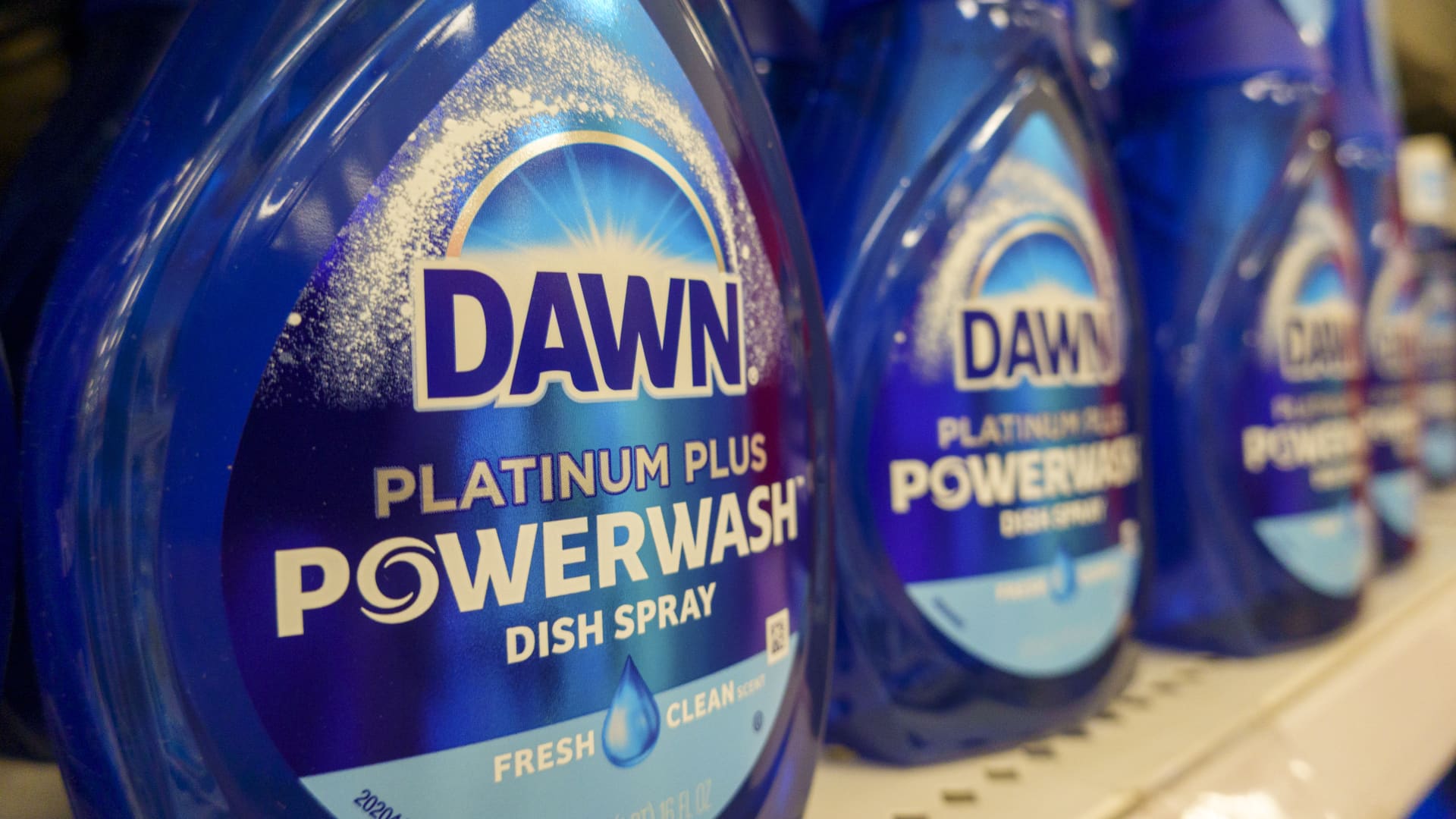
Procter & Gamble Earnings: Alpha Generation from Consumer Staples Resilience
Published: Thursday, October 22, 2026 · 7:39 AM
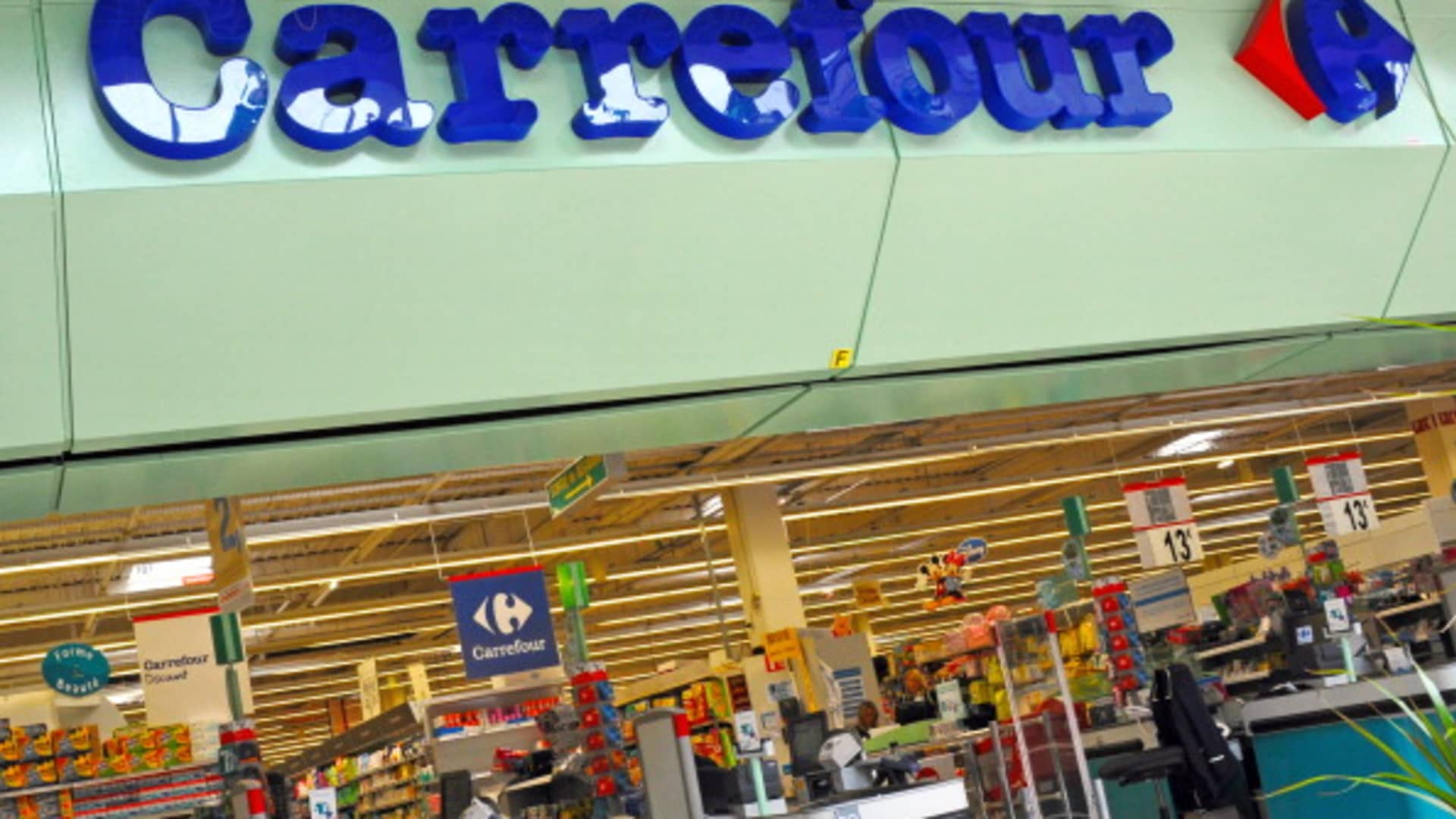
Carrefour Shares Plunge 14%: Navigating European Retail Volatility
Published: Wednesday, October 21, 2026 · 6:29 AM