Published: Wednesday, November 11, 2026 · 12:23 AM | Updated: Wednesday, November 11, 2026 · 12:23 AM
📊 9 views




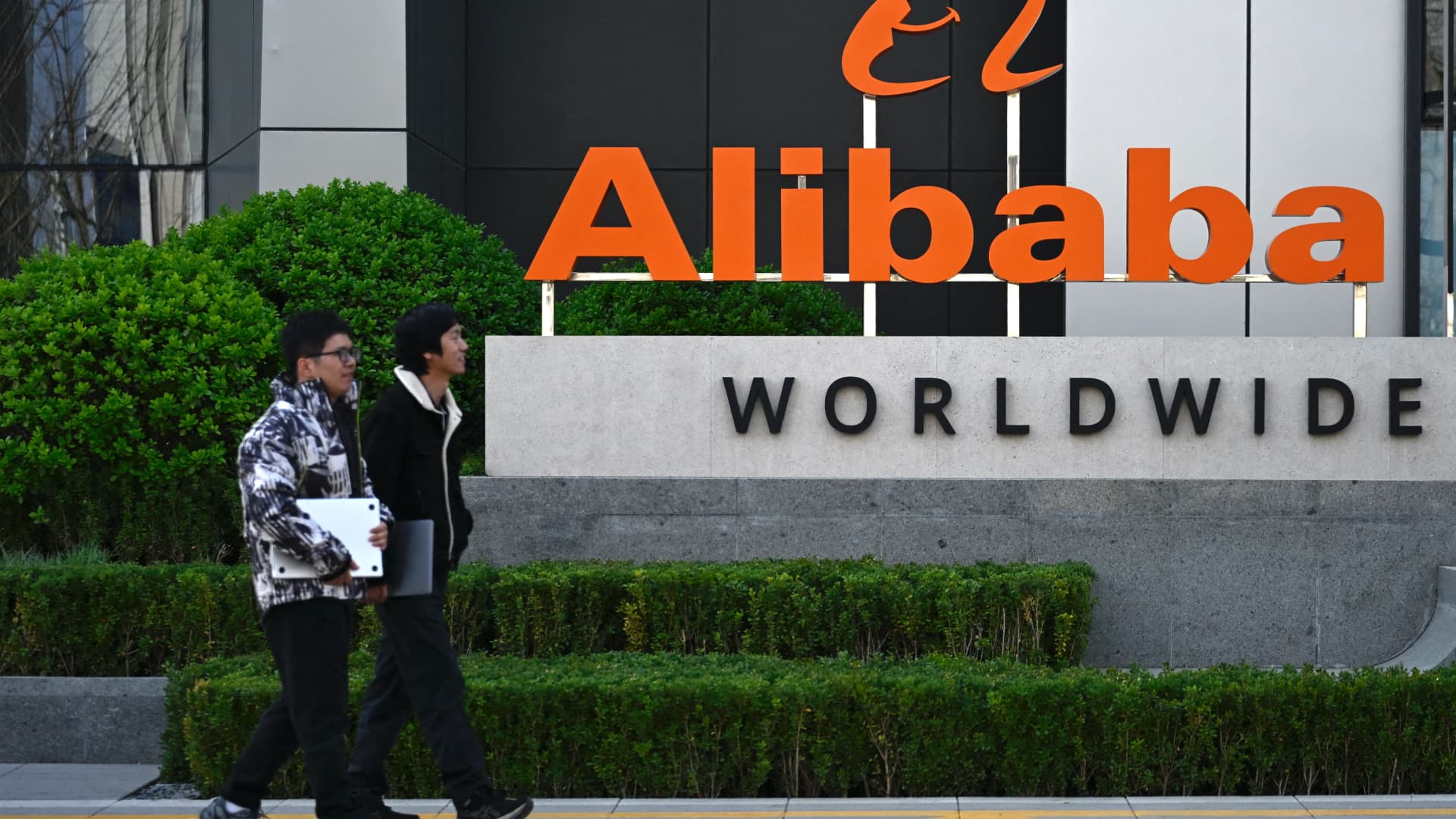
Alibaba Group Holding Ltd. (BABA) has signaled a significant move in the global semiconductor landscape, announcing plans to spin off its chip design unit, T-Head, via a public offering on the Hong Kong Stock Exchange. This strategic decision positions T-Head as a direct challenger to giants like Nvidia, intensifying competition in the critical artificial intelligence chip sector and reflecting China’s broader drive for technological self-sufficiency.
💰 Financial Strategy & Market Insights
- Strategic Spin-off. Alibaba aims to publicly list its T-Head semiconductor subsidiary in Hong Kong, subject to regulatory approvals, to unlock value and secure capital for its chip development.
- Geopolitical Imperatives. The move accelerates China’s domestic chip manufacturing push amid escalating U.S. export restrictions, positioning T-Head as a key player in indigenous AI chip production.
- Market Volatility Context. This listing plan emerges amidst increased regulatory scrutiny on tech IPOs in China and recent market downturns for Chinese tech stocks, contrasting with a volatile yet active U.S. AI market.
The planned T-Head listing on the Hong Kong Stock Exchange marks a pivotal moment for Alibaba and China’s technology sector. This spin-off is not merely a corporate restructuring but a bold statement in the ongoing technological rivalry between Beijing and Washington. Alibaba, a prominent Chinese tech and e-commerce conglomerate, revealed on Tuesday that the Hong Kong Exchange has granted permission for the spin-off, paving the way for a public offering, contingent on approval from the China Securities Regulatory Commission. While specific dates or offering sizes remain undisclosed, Alibaba had filed confidentially for the listing on September 11, indicating a long-term strategic play.
T-Head, established in 2018, is Alibaba’s advanced semiconductor design unit, spearheading the development of proprietary chips, including the Zhenwu V900 AI chip. This next-generation processor, unveiled in late September, reportedly delivers triple the performance of its predecessor, the Zhenwu M890. Such advancements underscore T-Head’s ambition to compete directly with global leaders like Nvidia, especially as China seeks to reduce its reliance on foreign technology for powering its burgeoning artificial intelligence infrastructure. The broader context of U.S. restrictions on China’s access to advanced semiconductor technology serves as a powerful catalyst for this domestic push.
However, the path to a successful IPO is fraught with challenges. Chinese regulators have significantly increased their scrutiny on tech IPOs and the flow of capital into the sector, potentially dampening investor enthusiasm and impacting valuation. This regulatory tightening has already seen other prominent Chinese chip entities, such as Baidu’s Kunlunxin and memory chipmaker YMTC, reportedly delay their own listing plans. Meanwhile, investor sentiment towards Chinese tech stocks has lagged their U.S. counterparts, despite pockets of innovation like DeepSeek’s AI breakthroughs.
Key takeaways from the current chip market dynamics include:
- Intensified geopolitical competition driving national self-sufficiency in chip production.
- Increased regulatory oversight impacting IPO timelines and valuations for Chinese tech firms.
- Significant market volatility influenced by both corporate news and geopolitical events.
The global semiconductor market itself is experiencing considerable turbulence. News surrounding Nvidia CEO Jensen Huang’s alleged ties to a Chinese spy involved in entities that indirectly obtained restricted Nvidia chips has weighed heavily on the company’s stock, driving its valuation to its lowest point since late March. This broader volatility, alongside the highly anticipated initial public offering (IPO) from U.S.-based AI giant Anthropic, which plans to offer 825 million shares at $70-$78 each on Nasdaq, highlights the dynamic and competitive nature of the AI chip landscape. For a deeper understanding of market trends impacting the financial sector, one might consult various market analysis platforms, including those providing insights into global financial sector movements. For investors seeking educational financial insights, understanding these dynamic market shifts is paramount.
Against this backdrop, Alibaba’s Hong Kong-listed shares experienced a 1% decline on Wednesday morning, contributing to a year-to-date drop of approximately 29%. This performance reflects broader investor caution surrounding Chinese tech firms, underscoring the high stakes involved in the T-Head listing and its potential to redefine Alibaba’s market positioning.
The T-Head listing presents both significant opportunities and inherent risks for investors:
- Upside:
- Unlocking Value: A successful spin-off could unlock significant shareholder value currently embedded within Alibaba’s broader enterprise, similar to how AWS’s potential spin-off is often discussed for Amazon.
- Strategic Positioning: Positions Alibaba and China at the forefront of AI chip innovation, reducing reliance on foreign suppliers and potentially benefiting from strong domestic demand.
- Capital Infusion: The IPO proceeds would provide T-Head with dedicated capital for accelerated research, development, and expansion, fueling its competitive edge.
- Downside Risks:
- Regulatory Hurdles: China’s increasing scrutiny on tech IPOs could delay or devalue the offering, impacting investor confidence.
- Geopolitical Headwinds: Ongoing U.S.-China tensions could lead to further restrictions, affecting T-Head’s ability to access critical technologies or expand internationally.
- Valuation Challenges: The current bearish sentiment towards Chinese tech and intense competition from established players like Nvidia may lead to a lower-than-expected valuation.
- Market Volatility: Broader market downturns or sector-specific shocks could impair the listing’s success and T-Head’s post-IPO performance.
Market Liquidity: This refers to the ease with which an asset can be converted into cash without affecting its market price. For a new IPO like T-Head, robust market liquidity post-listing is crucial for price discovery and investor confidence, enabling efficient trading and minimizing price volatility. However, the current regulatory environment in Hong Kong, coupled with broader market sentiment, could influence initial liquidity conditions.
The recent market data for relevant entities highlights varying investor reactions:
- Alibaba (HKEX: 9988) shares: Down 1% on Wednesday; approximately 29% decline year-to-date.
- Anthropic IPO: Expected price range of $70 to $78 per share for 825 million shares.
- Nvidia (NVDA): Stock valuation recently hit its lowest point since late March amid specific corporate and geopolitical concerns.
T-Head Liquidity Analysis: Navigating IPO Waters
The successful launch and subsequent trading of T-Head shares will largely hinge on market liquidity, particularly in the Hong Kong exchange. The current environment, marked by increased regulatory oversight and a cautious stance towards new tech listings, suggests that initial liquidity might be carefully managed. For a new asset like T-Head, ample liquidity is vital to ensure fair pricing and allow investors to enter or exit positions without significant price dislocation. The offering size, investor appetite, and regulatory-mandated lock-up periods will all play a critical role in shaping its early trading dynamics. Analysts will closely monitor the bid-ask spreads and trading volumes post-listing to gauge genuine market interest versus speculative flows, especially given the current global market conditions.
Chinese Semiconductor Market Sentiment Tracker
Investor sentiment towards the Chinese semiconductor sector is a complex tapestry woven with threads of national ambition, geopolitical tension, and domestic regulatory shifts. While the drive for self-sufficiency fuels long-term optimism, short-term sentiment is challenged by U.S. export controls and Beijing’s intensified scrutiny of tech IPOs. The delays seen in Baidu’s Kunlunxin and YMTC’s listings underscore a cautious approach from both companies and regulators. This guarded sentiment is further impacted by broader economic slowdown concerns in China, influencing capital shifts away from potentially higher-risk, early-stage tech investments. Tracking this sentiment is crucial for understanding investment trends and potential capital reallocation within the broader financial landscape.
Alibaba’s Chip Vision: A High-Stakes Bet
Alibaba’s decision to pursue the T-Head listing represents a high-stakes play in both its corporate strategy and China’s national technological aspirations. This move is designed to inject vital capital into T-Head’s advanced chip development, bolstering its competitive stance against global rivals while navigating a complex web of geopolitical pressures and domestic regulatory challenges.
- The spin-off aims to unlock inherent value within Alibaba while providing T-Head with greater operational autonomy and dedicated funding.
- It underscores China’s unwavering commitment to achieving semiconductor self-reliance amidst escalating global tech competition.
- Success hinges on navigating regulatory scrutiny, attracting strong investor interest, and sustained innovation in a volatile market.
Will the T-Head listing become a beacon for Chinese technological independence, or will it fall prey to the current market and political headwinds?
📊 StockXpo Analyst’s View
Market Impact: The T-Head listing, if successful, could inject fresh energy into the Hong Kong IPO market, acting as a barometer for investor confidence in Chinese tech amid regulatory reforms. However, the current cautious sentiment surrounding capital shifts into this sector could temper initial valuations. We anticipate a keen focus on Alibaba’s subsequent financial disclosures regarding the spin-off’s performance.
Sector To Watch: The semiconductor and AI hardware sectors, particularly those with a significant presence in emerging markets, warrant close attention. This move reinforces the bifurcation of the global chip supply chain, potentially leading to increased investment in regional manufacturing capabilities. Keep an eye on ancillary industries like advanced materials and specialized equipment suppliers, as well as companies exploring broader market analysis for competitive intelligence, as they may see capital shifts.
Financial Disclaimer:
StockXpo.com is a financial news aggregator and educational portal, not a registered investment advisor or broker-dealer. All information, news, and analysis provided herein are strictly for educational purposes and do not constitute investment, financial, legal, or tax advice. Investing in the stock market involves high risks, and past performance is not indicative of future results. StockXpo will not be liable for any financial losses or investment damages. Always consult a certified financial advisor before making market decisions.
MORE IN INSIDE FINANCE

December Hike Imminent: Fed Governor Waller Signals Aggressive Rate Action
Published: Tuesday, November 10, 2026 · 4:16 AM

Jensen Huang Exit: Low Odds Signal Nvidia’s Stability Amid Probe
Published: Monday, November 9, 2026 · 3:37 PM