
Published: Tuesday, November 10, 2026 · 6:17 AM | Updated: Tuesday, November 10, 2026 · 6:17 AM
📊 16 views




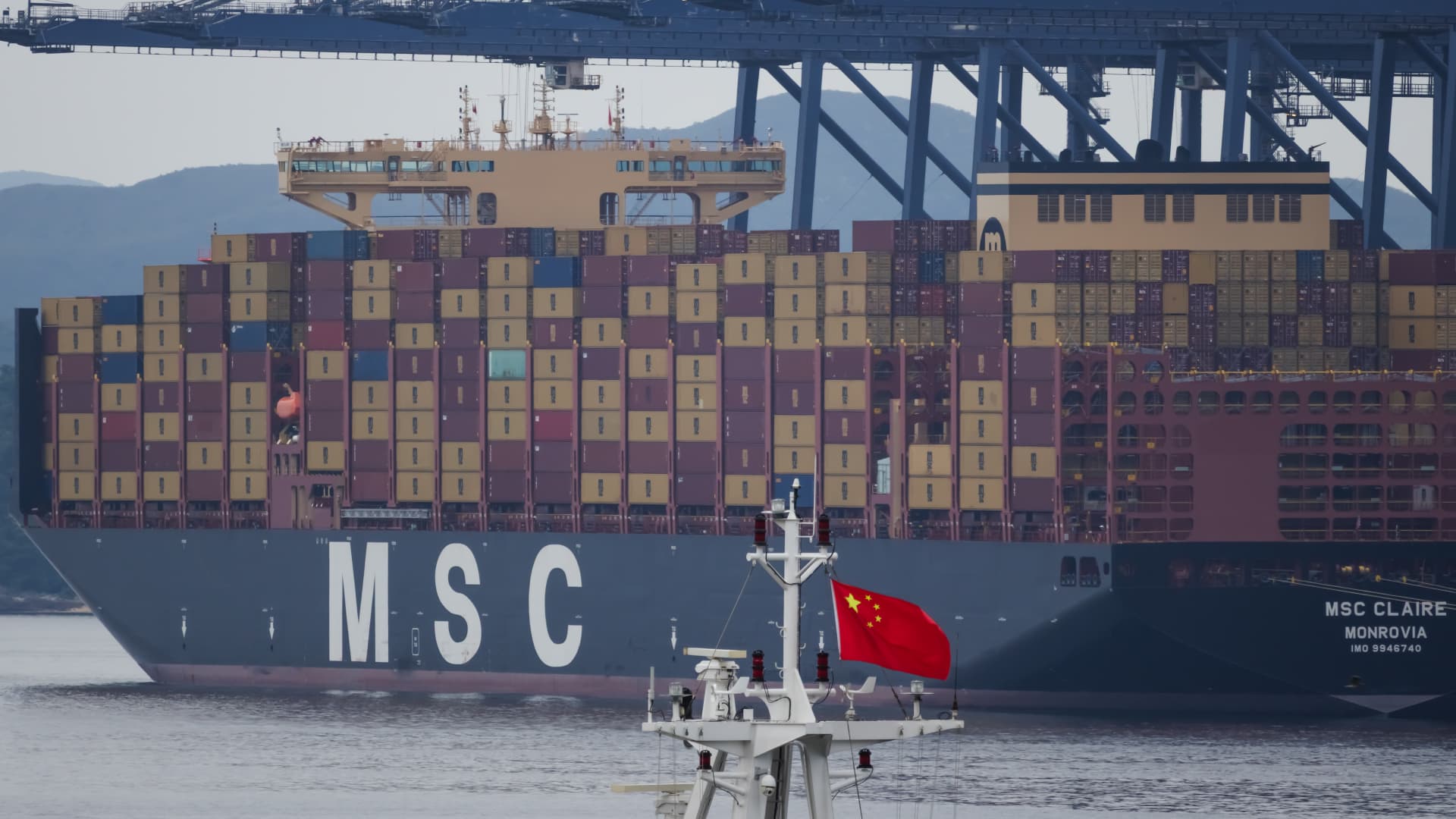
The world’s second-largest economy has once again surpassed the $1 trillion mark for its goods trade surplus, a critical indicator of global economic dynamics. This recurring surplus, now a trend for a second consecutive year, intensifies existing international pressure on Beijing to shift its economic model away from export reliance towards domestic consumption, a move urged by institutions like the International Monetary Fund.
📊 Macro-Economic Strategic Insights
- Persistent Surplus Growth. China’s trade surplus exceeded $1 trillion by October, on track for a new annual record, driven by robust exports despite slower domestic spending.
- AI-Fueled Exports. A significant portion of China’s export strength is linked to global demand for AI hardware, masking underlying weaknesses in domestic consumer behavior.
- Import Surge Indicates Demand. A sharp increase in imports, particularly for technology, critical minerals, and energy, signals a growing need for raw materials and components despite export dominance.
Customs data reveals that through October, China’s trade surplus reached $1.04 trillion, positioning it to potentially exceed the record $1.2 trillion surplus recorded for the entirety of 2025. This ongoing surge in exports, which grew by 35.2% year-on-year in October, outperforming market expectations, has provided policymakers with leeway to maintain moderate economic support measures aimed at achieving an annual growth target of 4.5%-5%. However, this export-driven expansion occurs against a backdrop of sluggish domestic demand, as evidenced by a mere 1.1% growth in retail sales in September, highlighting a significant imbalance in the nation’s economic structure.
The robust performance of Chinese exports is significantly bolstered by the global proliferation of AI technology, which has created substantial demand for related hardware manufactured in China. Concurrently, imports have also seen an impressive surge, rising 41.6% in October, the fastest pace since May 2021. This increase was primarily fueled by demand for tech goods, essential minerals like copper, and energy resources such as liquefied natural gas, oil, and coal, indicating a strong import appetite for industrial inputs and commodities.
According to calculations based on official figures, imports of high-tech products saw a 72% increase in value year-on-year for October. Energy imports also saw substantial gains, with crude oil, LNG, and coal imports rising by approximately 41%, 50%, and 60% respectively by value. This dual strength in exports and imports suggests a dynamic manufacturing sector that is both supplying global markets and drawing in necessary resources for production and consumption.
Navigating Global Trade Headwinds
Despite the impressive export figures, signs of a potential slowdown in the global AI buildout present a risk to China’s export momentum and profit margins. Analysts project that export growth could decelerate to around 8% in 2027 as favorable base effects diminish and global AI investment moderates. Furthermore, escalating trade friction with key partners, including the European Union and the United States, adds a layer of uncertainty to future trade prospects. The upcoming leaders’ summit between Presidents Xi Jinping and Donald Trump at the APEC summit could also influence the trajectory of US-China trade relations, which have seen a significant surplus for China.
The EU’s recent agreement to limit imports of Chinese hybrid vehicles, effective December 1, is an example of measures aimed at addressing trade imbalances. While these curbs are expected to have a limited impact on China’s overall export boom according to some analysts, they reflect a broader trend of trading partners seeking to rebalance economic ties. For instance, China’s shipments to the EU grew substantially in October, widening its surplus with the bloc, underscoring the ongoing challenge of managing these trade dynamics.
Key Economic Drivers:
- Export Growth Drivers: AI hardware, technology components, and manufactured goods.
- Import Catalysts: Critical minerals (copper), energy supplies (oil, LNG, coal), and advanced technology inputs.
- Domestic Demand Lag: Weak consumer spending and retail sales growth contrast with strong export performance.
The persistent strength in China’s export sector, particularly driven by high-demand areas like AI hardware, allows the government to maintain a focus on economic targets. However, the widening trade surplus and reliance on external demand are increasingly becoming a point of contention for global trading partners seeking to protect their domestic industries and rebalance global economic flows. This presents a complex challenge for Beijing in its pursuit of sustainable, domestically-driven growth.
China’s Trade Metrics Snapshot:
| Metric | Value (Year-on-Year) | Significance |
|---|---|---|
| Total Trade Surplus (YoY) | > $1 Trillion (by Oct) | Indicates strong net exports, impacting global capital flows. |
| October Exports Growth | +35.2% | Shows robust demand for Chinese goods globally. |
| October Imports Growth | +41.6% | Highlights strong demand for raw materials and components. |
| Retail Sales Growth (Sep) | +1.1% | Reflects subdued domestic consumer spending. |
European Union Trade Policy Commentary
The European Union’s recent actions to curb Chinese hybrid vehicle imports signify a growing assertiveness in shaping trade relations. While analysts suggest these measures may not drastically alter China’s overall export trajectory, they underscore the EU’s intent to protect its automotive sector and address its trade deficit. The bloc’s struggle to formulate a cohesive economic and trade policy towards China, particularly in autos, indicates a complex and evolving strategic landscape. This coordinated approach, or lack thereof, will be crucial in determining the future of economic interdependence between the two regions, impacting global supply chains and investment flows. Investors are closely monitoring how such policies influence market access and competitive dynamics across various sectors.
United States Trade Relations Benchmarking
The temporary trade truce between the United States and China, extended to January, provides a brief respite in escalating trade tensions but does not resolve underlying structural issues. China’s substantial trade surplus with the US in October, alongside strong growth in bilateral shipments, highlights the persistent economic interdependence. The upcoming leaders’ meeting at the APEC summit will be a critical juncture for assessing the future of this vital, albeit contentious, bilateral relationship. For investors in global stock markets, the stability and predictability of US-China trade are paramount for assessing risk and opportunity. This ongoing dialogue and potential policy shifts are closely observed for their impact on global economic stability, with insights from economic news sources often providing crucial context.
China’s Trade Surplus Position in 2027
As China’s export growth trajectory for 2027 is projected to moderate to around 8%, a significant deceleration from current rates, global market observers are keen to understand the underlying causes and implications. This forecast, influenced by fading favorable base effects and a potential cooling of global AI investment, suggests that the export-led growth model may face increasing challenges. The ability of China to pivot towards domestic consumption will be a key determinant of its sustained economic prosperity and its impact on the global economy. Any misstep or inability to manage this transition could have ripple effects across international investment analysis and asset allocation strategies.
The Global Imbalance of Trade Continues
The sustained, record-breaking surplus in China’s trade position is a powerful signal of ongoing global economic imbalances. This persistent trend, driven by robust manufacturing output and global demand for Chinese goods, particularly in the tech sector, presents both opportunities and challenges. As trading partners voice concerns and implement protective measures, Beijing faces a critical juncture: accelerating its pivot to domestic demand or continuing to rely on export strength. The coming months will be pivotal in determining whether China can successfully navigate these pressures and achieve a more balanced and sustainable growth model that benefits both its domestic economy and the wider global financial system.
Financial Disclaimer:
StockXpo.com is a financial news aggregator and educational portal, not a registered investment advisor or broker-dealer. All information, news, and analysis provided herein are strictly for educational purposes and do not constitute investment, financial, legal, or tax advice. Investing in the stock market involves high risks, and past performance is not indicative of future results. StockXpo will not be liable for any financial losses or investment damages. Always consult a certified financial advisor before making market decisions.
MORE IN INSIDE ECONOMY

October jobs report: Unexpected Strength Signals Macro-Stability
Published: Monday, November 9, 2026 · 5:38 PM

China Wholesale Inflation Surges: A Dual-Track Economic Picture
Published: Sunday, November 8, 2026 · 9:28 PM


