Published: Thursday, July 9, 2026 · 8:24 PM | Updated: Thursday, July 9, 2026 · 8:24 PM
📊 288 views




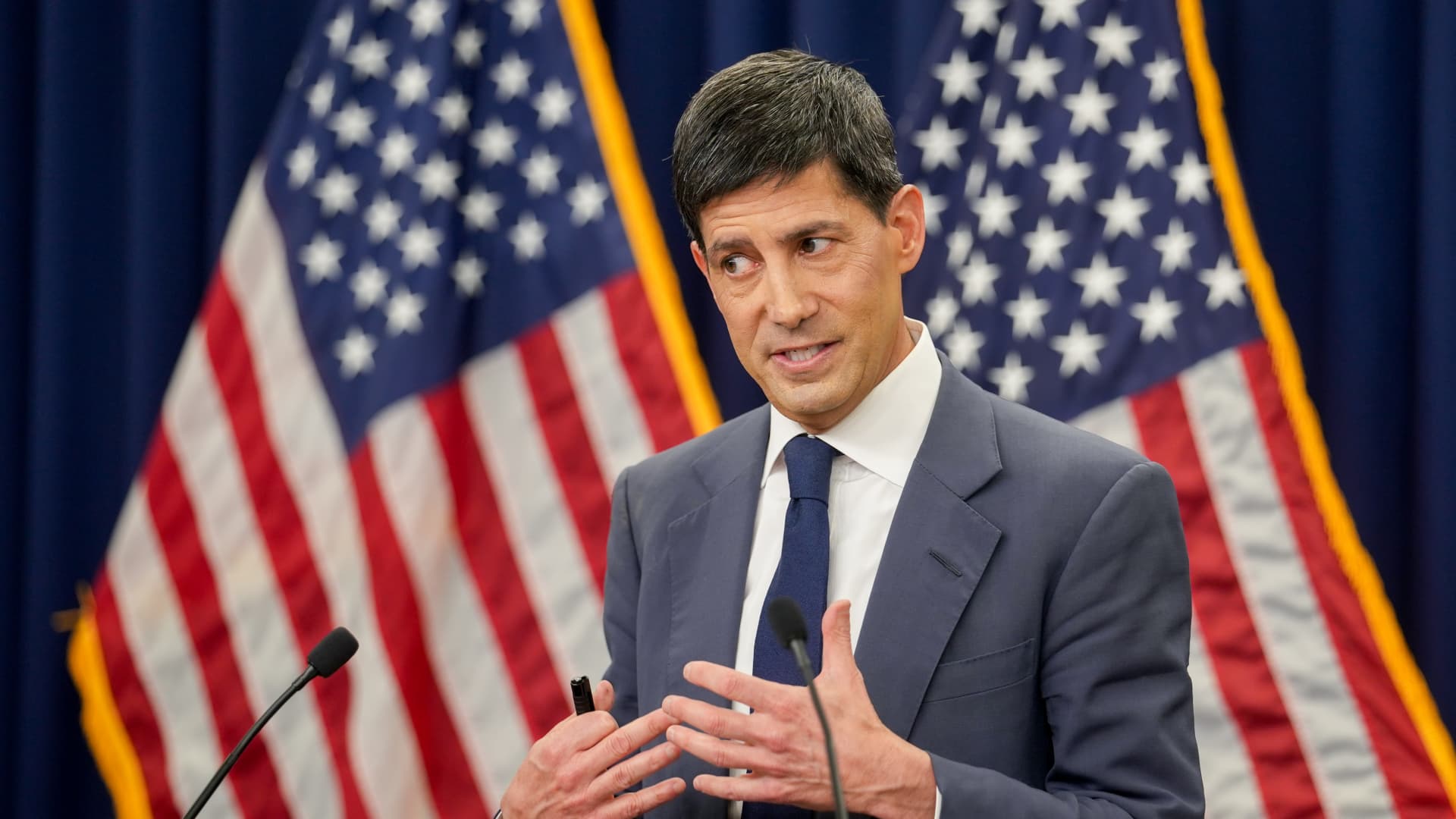
Former Federal Reserve Chairman Kevin Warsh has initiated a comprehensive review of the institution’s core functions, assembling five distinct Federal Reserve task forces comprising prominent economists, business leaders, and former central bank officials. This unprecedented move signals a proactive effort to recalibrate monetary policy and operational frameworks amidst evolving economic challenges. The initiative, revealed by CNBC, aims to sharpen the Fed’s performance in key areas like inflation, productivity, and the future of its balance sheet.
💰 Financial Strategy & Market Insights
- Strategic Overhaul. Kevin Warsh’s five task forces are set to re-evaluate the Fed’s approach to communications, data, balance sheet management, productivity & jobs, and inflation frameworks.
- Diverse Expertise. The groups include influential figures such as venture capitalist Marc Andreessen, former Walmart CEO Doug McMillon, and ex-Bank of England Governor Mervin King, bringing a wide range of perspectives.
- Policy Re-calibration. The objective is to ensure the Federal Reserve is optimally positioned to achieve its dual mandate in a ‘consequential time,’ hinting at potential shifts in interest rate guidance and overall market liquidity management.
The establishment of these Federal Reserve task forces represents a significant pivot for the institution, particularly under Chairman Warsh, who has emphasized a need to ‘start with first principles’ and question existing orthodoxies. This strategic introspection comes at a critical juncture for global finance, where central banks face persistent inflation concerns, rapid technological advancements impacting labor markets, and the complexities of managing multi-trillion-dollar balance sheets. The inclusion of figures like Marc Andreessen, assigned to the productivity and jobs task force, underscores a recognition that macroeconomic policy must account for structural shifts driven by innovation, including artificial intelligence. His previous appointment to the U.S. Defense Policy Board further highlights his multifaceted influence.
The Fed’s balance sheet policy, now under scrutiny by a task force including Harvard economist Karen Dynan and former Reserve Bank of India Governor Raghuram Rajan, has become a central focus of market analysis. Post-crisis quantitative easing measures bloated the Fed’s assets, leading to intricate discussions on effective unwinding strategies and their impact on long-term interest rates and capital shifts. Any proposed changes from this group could significantly alter future market liquidity dynamics. Simultaneously, the communications task force, featuring former Bank of England Governor Mervin King, will likely influence how the Fed conveys its intentions, moving away from explicit forward guidance towards a more nuanced ‘reaction function’ — a strategy already evident in recent shorter post-meeting statements. This shift could introduce greater market volatility if not managed with transparent, data-driven frameworks, a topic frequently discussed in broader market analysis.
- The task forces are mandated to operate independently, providing candid feedback to the Federal Open Market Committee (FOMC). This suggests a willingness within the Fed to challenge internal consensus and incorporate external expertise into its policy-making process.
- The composition, spanning diverse ideologies and backgrounds, from William White, who famously warned of easy money before the 2008 crisis, to modern economic thinkers, aims to ensure a robust and comprehensive review.
This initiative seeks to provide high-density, fact-based insights for policymakers as they navigate an increasingly complex global economic landscape.
Risk vs Reward: Navigating the Policy Review
- Upside:
- Enhanced Policy Effectiveness: A thorough, independent review could lead to more adaptive and effective monetary policies, better equipped to manage inflation and support sustainable growth.
- Increased Transparency & Credibility: Clearer communication and data frameworks could bolster public and market confidence in the Fed’s decision-making, reducing uncertainty.
- Innovation Integration: Incorporating perspectives from tech leaders like Andreessen could lead to policies better aligned with modern economic realities, especially regarding productivity and jobs.
- Downside Risks:
- Policy Uncertainty: The review process itself, with potential ‘changes to come this year,’ could introduce market apprehension and reluctance to commit capital until new frameworks are clear.
- Internal Disagreement: A diverse group of experts, while beneficial, may struggle to reach consensus, potentially delaying critical reforms or leading to watered-down recommendations.
- Market Misinterpretation: Any shift in communication strategy, even towards a ‘reaction function,’ carries the risk of markets misinterpreting the Fed’s stance, leading to unwanted volatility or capital shifts.
Understanding the Federal Reserve’s ‘reaction function’ is critical for investors. It refers to the conditions, typically based on economic data like inflation or employment, under which the central bank will adjust interest rates or other monetary tools. A transparent reaction function reduces policy unpredictability, allowing markets to price assets more efficiently based on evolving economic indicators rather than relying solely on forward guidance.
Key Findings from the Fed’s Strategic Review
- Key Policy Review Areas: Communications, Data, Balance Sheet Policy, Productivity & Jobs, Inflation Frameworks.
- Notable Task Force Members: Marc Andreessen (Productivity & Jobs), Doug McMillon (Data), Mervin King (Communications), Raghuram Rajan (Balance Sheet Policy), Greg Mankiw (Inflation Frameworks).
- Chairman’s Expectation: Warsh anticipates changes to come this year, underscoring the urgency and potential immediate impact of the task force findings on the financial sector.
Monetary Policy Liquidity Analysis
The formation of these Federal Reserve task forces carries significant implications for market liquidity. Any recommendations regarding the Fed’s balance sheet, currently managed by a task force with heavy-hitting economists, could directly influence the availability of credit and the cost of borrowing across the economy. Should the task force suggest a more aggressive or accelerated reduction of the Fed’s asset holdings, it could tighten financial conditions, leading to higher interest rates and potentially reduced capital flow into riskier assets. Conversely, a recommendation for a more cautious approach to balance sheet normalization might sustain ample liquidity, supporting asset valuations and investment trends. The Fed’s dual mandate includes ensuring stable prices and maximum employment, and how these recommendations interact with these objectives will be crucial for market participants. The ultimate goal is to optimize the Fed’s tools to manage market liquidity effectively without inadvertently stifling economic growth or exacerbating inflationary pressures, providing key educational financial insights for investors.
Market Sentiment Tracker Amidst Fed Changes
The announcement of the Federal Reserve task forces and their high-profile members has already begun to shape market sentiment. The inclusion of diverse perspectives, from seasoned central bankers to tech innovators and business leaders, can be viewed as both a strength and a potential source of anxiety. On one hand, it signals a comprehensive and open-minded approach to policy recalibration, potentially leading to more robust and forward-looking frameworks. On the other hand, the very act of undertaking such a foundational review might inject an element of uncertainty into markets, as investors await the outcomes and potential policy shifts. The market’s ‘wait-and-see’ approach will be particularly acute in sectors sensitive to interest rates and inflation, such as technology, real estate, and fixed income. Monitoring the public discourse surrounding these task forces, particularly through financial news outlets like Bloomberg Markets and Reuters, will be key to gauging evolving investor confidence and predicting capital shifts.
The Federal Reserve Task Forces: Charting a Course Through Economic Unprecedentedness
The launch of Kevin Warsh’s Federal Reserve task forces represents a critical re-evaluation of the institution’s capacity to navigate complex economic landscapes. With a mandate to scrutinize everything from inflation frameworks to the role of artificial intelligence in productivity, these groups are poised to deliver recommendations that could fundamentally reshape the Fed’s operational approach and policy tools. The intention to implement changes within the year highlights the urgency underlying this strategic initiative.
- The comprehensive review aims to fortify the Fed’s ability to achieve its objectives amidst global economic volatility.
- Diverse expert participation ensures a multi-faceted analysis of existing policies and future challenges.
- Anticipated policy adjustments are expected to influence interest rate trajectories and market liquidity dynamics significantly.
How will these high-profile recommendations truly re-anchor inflation expectations and stabilize asset valuations in the coming years?
📊 StockXpo Analyst’s View
Market Impact: The formation of these task forces introduces a layer of deliberate uncertainty, as markets will keenly watch for policy pivots, especially regarding the balance sheet and communication strategies. This could lead to temporary capital shifts towards safer assets as investors de-risk ahead of potential changes, while also signaling a long-term commitment to economic stability, potentially boosting confidence in the long run.
Sector To Watch: Technology and growth stocks could face increased scrutiny if balance sheet reduction leads to tighter liquidity, affecting borrowing costs. Conversely, sectors less sensitive to interest rates or those benefiting from productivity enhancements (like AI-driven industries) could see renewed interest if the task forces effectively address long-term growth and innovation.
Financial Disclaimer:
StockXpo.com is a financial news aggregator and educational portal, not a registered investment advisor or broker-dealer. All information, news, and analysis provided herein are strictly for educational purposes and do not constitute investment, financial, legal, or tax advice. Investing in the stock market involves high risks, and past performance is not indicative of future results. StockXpo will not be liable for any financial losses or investment damages. Always consult a certified financial advisor before making market decisions.
MORE IN INSIDE FINANCE

Singapore Haven: Stability Yields Opportunity Amid Global Volatility
Published: Tuesday, October 13, 2026 · 12:19 AM

Inflation Peak for 2026: Sticky Prices to Challenge Asset Valuations
Published: Monday, October 12, 2026 · 11:45 AM