Published: Tuesday, July 7, 2026 · 5:58 AM | Updated: Tuesday, July 7, 2026 · 5:58 AM
📊 251 views




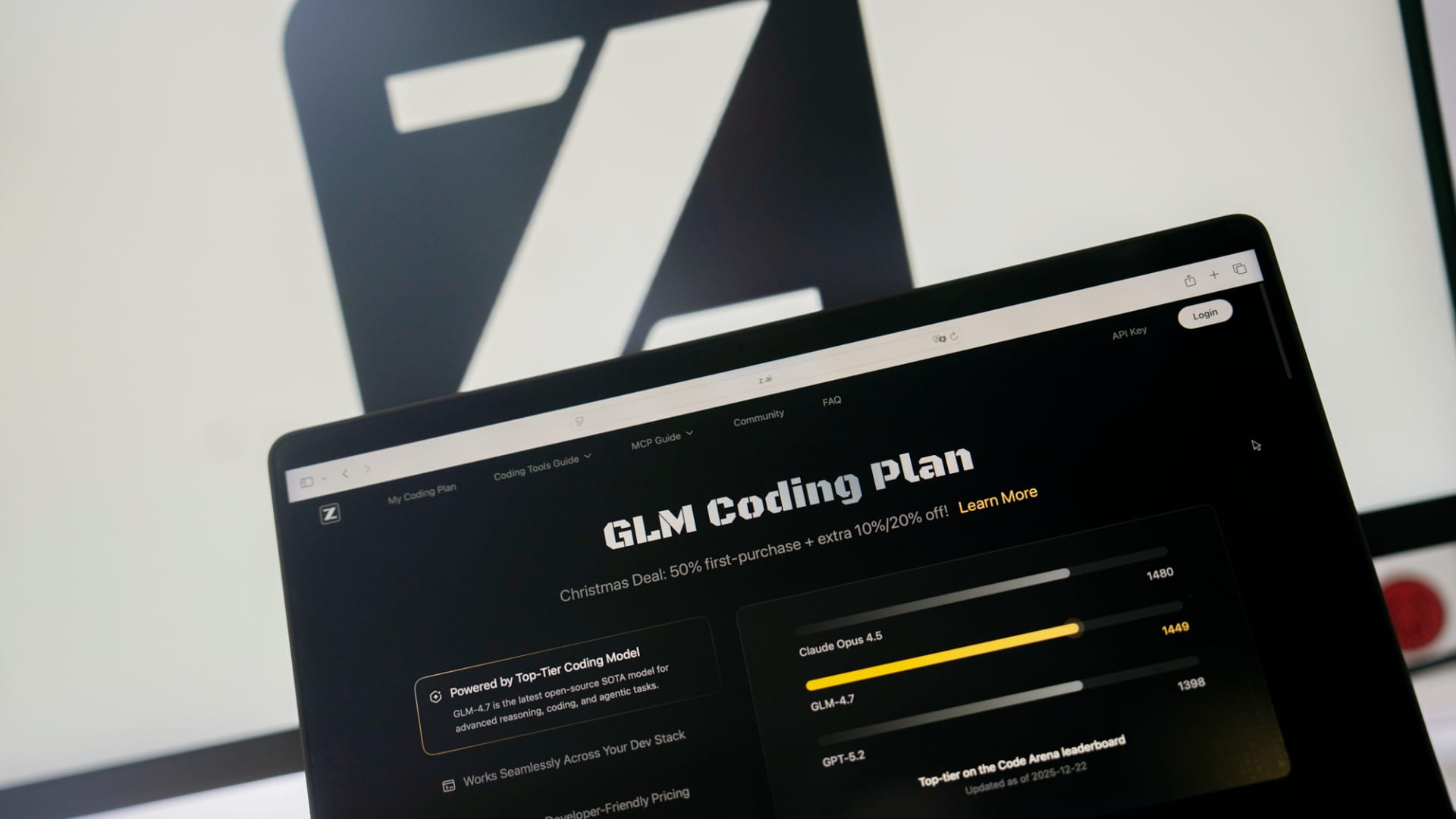
Chinese AI models are aggressively capturing market share among U.S. enterprises, presenting a formidable challenge to dominant players like OpenAI and Anthropic. This shift is primarily fueled by a potent combination of lower operational costs and rapidly improving performance, compelling American firms to re-evaluate their AI procurement strategies.
🚀 Tech Strategy & Market Disruptions
- Cost-Performance Parity. Chinese models like DeepSeek and Z.ai offer significant cost savings—up to 90% cheaper—while nearing the performance of top-tier U.S. frontier systems.
- Accelerated Adoption. The share of tokens used by U.S. companies on Chinese models via OpenRouter surged from 4.5% in early 2025 to over 30% weekly since February 2026, peaking at 46%.
- Regulatory Influence. U.S. regulatory scrutiny on powerful domestic AI models, coupled with rising costs, inadvertently steers companies towards more accessible and cost-effective overseas alternatives.
The landscape for artificial intelligence adoption in the U.S. is undergoing a significant realignment, driven by the escalating operational expenses of frontier models from leading American developers. As companies navigate the complex decision-making process for deploying AI, the cost efficiency and competitive capabilities of Chinese AI models are proving increasingly irresistible. Data from platforms like OpenRouter indicate a dramatic surge in their utilization, with the share of tokens used by U.S. entities on these models consistently exceeding 30% weekly since February 8, 2026, and reaching as high as 46%. This marks a substantial increase from just 4.5% in the first half of 2025, underscoring a rapid market pivot.
This trend is not merely about cost reduction; it’s a reflection of an evolving technological parity. Chinese innovators such as DeepSeek and Z.ai have recently released models that are considered highly competitive, bridging the performance gap with offerings from OpenAI and Anthropic. As U.S. AI labs raise token prices for their advanced models, companies are grappling with unexpectedly high costs, pushing them to explore more economical alternatives. Kyle Chan, a fellow at the Brookings’ John L. Thornton China Center, observed, ‘Where previously U.S. companies were prioritizing AI adoption regardless of model, now they’re getting more cost-conscious.’
Open-source and open-weight models, a segment where Chinese companies are making notable strides, allow developers greater access and modification capabilities compared to proprietary systems. This transparency and flexibility are appealing to engineering teams focused on both innovation and budgetary discipline. For more on these emerging technologies, explore our insights.
- Lindy, an AI startup, transitioned 100% of its traffic from Anthropic’s Claude to DeepSeek V4, anticipating millions in savings within months while also reporting increased performance on core use cases.
- Z.ai’s GLM 5.2 model, launched in June 2026, experienced the fastest adoption rate on Vercel, with daily token volume growing 27x and customer usage surging 80x in its first week.
- Justin Summerville of OpenRouter estimates that open-source Chinese models can be ‘60% to 90% cheaper’ than their leading U.S. counterparts, making them a compelling option for a wide range of tasks not requiring the absolute frontier of AI capability.
The surging costs of proprietary U.S. AI models are acting as a significant market friction point, directly catalyzing a shift towards more affordable, open-source alternatives. This cost pressure leads to increased experimentation by U.S. developers with performant yet cheaper Chinese AI models. The resulting wider adoption of these models injects new competitive dynamics into the AI ecosystem, forcing established players to re-evaluate their pricing and openness strategies. Ultimately, this creates a more diversified and cost-efficient AI supply chain, accelerating digital transformation for businesses that previously faced budget constraints, thereby democratizing access to advanced AI capabilities. This development is certainly worth following in global technology insights.
‘The current market dynamics underscore a critical shift in enterprise AI strategy: moving from ‘tokenmaxxing’—prioritizing raw performance regardless of cost—to ‘efficiency-first’ deployment. As CTO, I see this as a maturation of the AI market, where businesses are actively seeking robust, adaptable, and economically viable solutions to integrate AI into their core operations, rather than solely chasing benchmark scores. This pragmatism will drive innovation in model optimization and multi-model routing architectures.’
Key Adoption and Cost Metrics:
- U.S. Company Token Share (OpenRouter): Grew from 4.5% (H1 2025) to >30% weekly (since Feb 8, 2026), peaking at 46%.
- DeepSeek V4 Cost Savings (Lindy): Projected millions of dollars in savings within months, alongside increased performance.
- Z.ai GLM 5.2 Adoption (Vercel): 27x daily token volume growth and 80x customer growth in its first full week post-launch.
- Cost Differential: Chinese open-source models are ‘60% to 90% cheaper’ than leading U.S. models (OpenRouter).
- Performance Proximity: Chinese models are estimated to be ‘six to nine months’ behind top U.S. rivals, yet capable for most complex LLM tasks.
Chinese AI Models Market Adoption Challenges
Despite their compelling cost-performance proposition, Chinese AI models face several adoption hurdles in the U.S. market. Geopolitical tensions and regulatory uncertainties around data sovereignty and national security could deter some enterprises, particularly those in sensitive sectors or handling proprietary customer data. Companies must also assess the long-term support, documentation quality, and community engagement for these models, which may vary compared to established Western counterparts. Furthermore, integration with existing tech stacks and ensuring compliance with varied international data privacy laws present complex technical and legal challenges that require careful navigation. For more educational tech insights, visit our blog.
DeepSeek Ecosystem Expansion Potential
DeepSeek, having demonstrated strong performance and significant cost advantages, is positioned for substantial ecosystem expansion. Its strategy of offering competitive open-source and open-weight models naturally fosters a developer community, which can drive innovation and specialized applications. The company’s ability to attract major users like Lindy signals its potential to become a foundational layer for various AI-driven products and services. Future growth will likely hinge on continued model improvements, robust API integrations, and potentially establishing more localized support and partnerships to mitigate perceived risks related to foreign origin. Stay informed with critical tech sector news.
Navigating the New Reality for Chinese AI Models
The burgeoning influence of Chinese AI models signals a definitive shift in the global AI landscape, driven by a renewed focus on efficiency and cost optimization. As U.S. companies increasingly prioritize economic viability alongside performance, these alternative models are poised to redefine competitive benchmarks and procurement strategies.
- Cost-effectiveness is now a primary driver for enterprise AI adoption.
- Performance gaps between U.S. and Chinese models are rapidly diminishing, making alternatives viable for most workloads.
- Regulatory pressures and market consolidation on U.S. models indirectly benefit accessible global alternatives.
Will this cost-driven disruption lead to a more diversified and robust global AI ecosystem, or will geopolitical factors ultimately cap the growth of these increasingly capable alternatives, impacting technology market trends?
📊 StockXpo Analyst’s View
Market Impact: This trend represents a significant market disruption, potentially leading to increased competition and pricing pressure on dominant U.S. AI providers. Investors might see a recalibration of valuations for frontier AI companies if their premium pricing models become unsustainable. The broader market could benefit from democratized AI access, driving innovation across various industries.
Sector To Watch: Industries heavily reliant on large language models for internal efficiencies or customer-facing applications, such as customer service, content generation, and software development, stand to gain substantially from cheaper, high-performing Chinese AI models. The cloud computing sector may also see shifts as companies increasingly deploy or fine-tune open-source models, impacting demand for specific AI infrastructure.
Financial Disclaimer:
StockXpo.com is a financial news aggregator and educational portal, not a registered investment advisor or broker-dealer. All information, news, and analysis provided herein are strictly for educational purposes and do not constitute investment, financial, legal, or tax advice. Investing in the stock market involves high risks, and past performance is not indicative of future results. StockXpo will not be liable for any financial losses or investment damages. Always consult a certified financial advisor before making market decisions.
MORE IN INSIDE TECHNOLOGY

SoftBank AI Investment: Malaysia’s $50 Billion Innovation Surge
Published: Monday, October 26, 2026 · 2:37 AM

SpaceX AI Chips: $40 Billion Deal Fuels Innovation-Driven Growth
Published: Sunday, October 25, 2026 · 9:35 PM