Published: Tuesday, June 16, 2026 · 4:35 PM | Updated: Tuesday, June 16, 2026 · 4:35 PM
📊 241 views




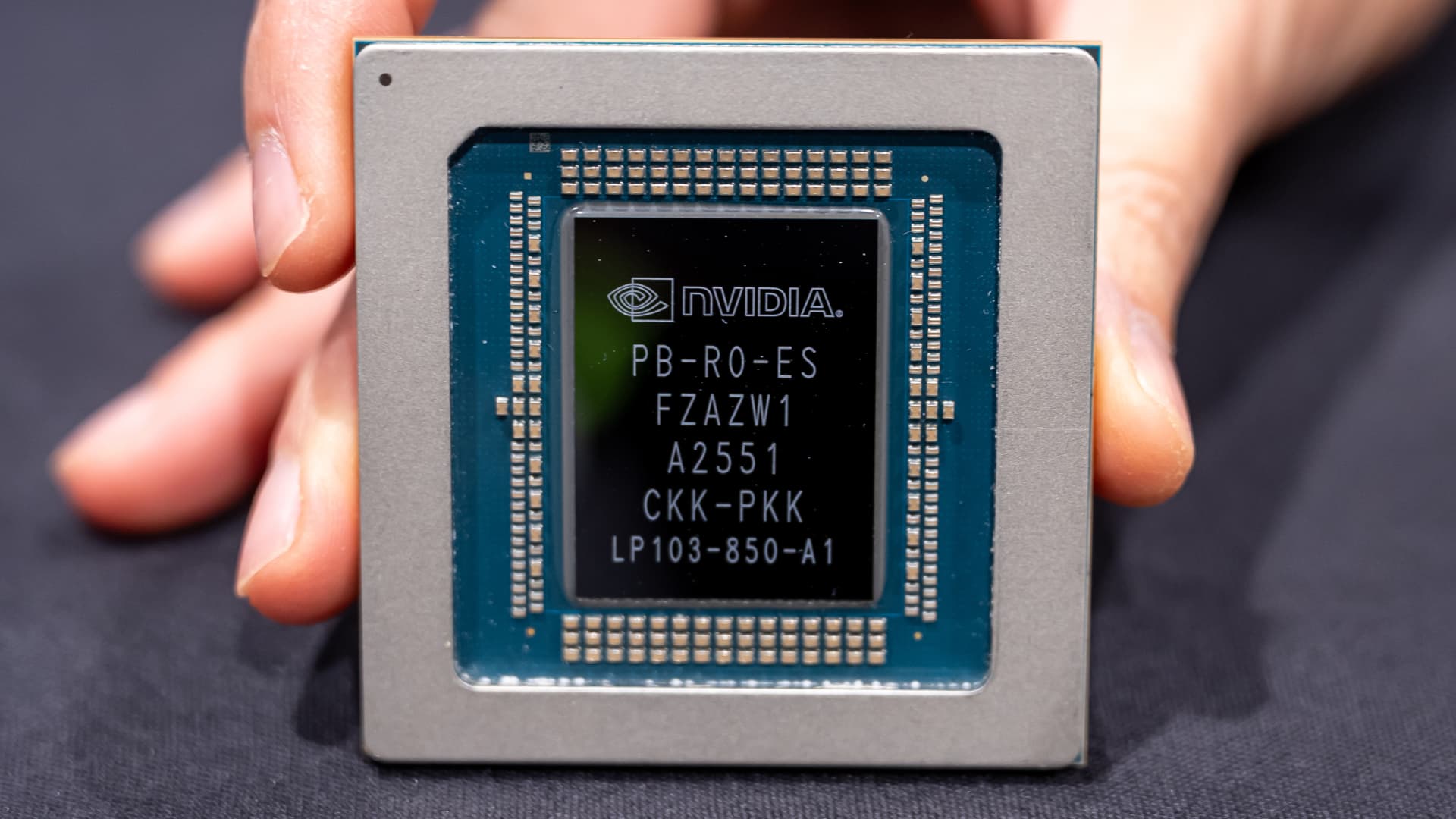
The financial world is witnessing a groundbreaking shift as efforts accelerate to transform artificial intelligence computing power into a tradeable commodity. This move, spearheaded by Silicon Data and CME Group, aims to bring the same hedging mechanisms found in traditional markets to the volatile realm of AI infrastructure costs.
With investor interest already piqued, evidenced by ETF proposals from major asset managers, the nascent market for AI computing power futures could fundamentally redefine asset valuation and risk management within the rapidly expanding AI sector.
💰 Financial Strategy & Market Insights
- AI Compute Futures Emerge. Silicon Data and CME Group are pioneering futures contracts for computational power, offering a new avenue for hedging and speculation in the AI industry.
- Early Investor Traction. Major asset managers like ProShares and Rex Shares have already filed for ETFs tied to these proposed contracts, signalling strong anticipation for this new asset class.
- Standardization Challenges. The inherent variability of GPU configurations and rental terms presents a complex task for creating a universally accepted benchmark, crucial for market viability.
The analogy of AI computing power as the ‘new oil’ resonates deeply within financial circles, highlighting its critical role as an essential input for modern AI development and operation. Just as airlines hedge against fluctuating jet fuel costs, AI companies seek mechanisms to manage the unpredictable expenses associated with renting high-end Graphics Processing Units (GPUs) from cloud providers and neoclouds. Silicon Data, a firm specializing in tracking GPU pricing, has partnered with CME Group to develop these pioneering futures contracts, aimed at allowing businesses to hedge against price volatility for training and running AI models. This effort seeks to inject stability into an otherwise volatile market, an area ripe for new market analysis.
Regulatory approval from bodies like the CFTC remains a crucial hurdle. The challenge lies in standardizing a diverse asset; unlike a barrel of oil, AI compute capacity varies significantly by chip configuration, memory, networking, utilization, and location. Silicon Data’s approach involves normalizing prices from various platforms to a base H100 GPU case, a sophisticated process intended to create reliable benchmarks. This standardization is vital not only for hedging by AI developers and capacity providers but also for attracting speculators who contribute essential liquidity and facilitate price discovery, thereby enabling more robust significant shifts in the financial sector.
- Market Participants: The emerging market for AI compute futures anticipates participation from ‘natural hedgers’ (AI companies and cloud providers), market makers ensuring liquidity, and ‘speculators’ seeking to profit from price movements.
The proposed futures market has already generated significant buzz, with asset managers filing proposals for exchange-traded funds, including leveraged and inverse products. This early interest underscores a perception among some investors that AI compute is evolving beyond a mere technological input to become a distinct, tradable asset class. Companies like SpaceX have already referenced Silicon Data’s GPU rental-rate data in public filings, indicating a nascent recognition of these benchmarks’ importance in corporate disclosures. Building out these sophisticated financial instruments requires careful consideration of current global market trends.
Understanding the Risk vs. Reward in Compute Futures
- Upside:
- Price Stability: AI companies can lock in future compute costs, reducing budget uncertainty.
- Capital Efficiency: Cloud providers can hedge against falling prices, optimizing infrastructure investments.
- New Investment Opportunities: Opens a novel asset class for diversified portfolios and algorithmic trading.
- Enhanced Price Discovery: A liquid futures market can provide transparent, real-time pricing signals for the entire AI industry.
- Downside Risks:
- Standardization Hurdles: Defining a universal ‘barrel of compute’ is complex, risking illiquidity or basis risk if benchmarks are imperfect.
- Regulatory Scrutiny: New markets face intense oversight, potentially delaying launch or imposing restrictive rules.
- Volatility Amplification: Speculative activity, while providing liquidity, could also amplify price swings if the market is shallow.
- Technological Obsolescence: Rapid advancements in AI hardware could quickly render specific GPU benchmarks less relevant.
Price Discovery in Futures Markets: This refers to the process by which buyers and sellers, through their interaction in a transparent market, arrive at an equilibrium price for a commodity or financial instrument. Futures markets are particularly effective in this regard, as they aggregate diverse views on future supply and demand, providing a forward-looking price signal that aids producers, consumers, and investors in their planning and decision-making.
Key Players Shaping the AI Compute Market
- Silicon Data: Developer of GPU price indexes and the primary partner for CME Group in establishing the futures contracts.
- CME Group: A leading derivatives marketplace providing the platform for the proposed AI compute futures, lending institutional credibility.
- ProShares & Rex Shares: Early movers among asset managers, filing proposals for ETFs that would track these new futures contracts, including leveraged and inverse options.
- Nvidia: The dominant manufacturer of high-end GPUs, whose production decisions significantly influence the underlying supply for AI compute.
GPU Liquidity Analysis: Assessing Supply-Demand Dynamics
The potential for a liquid AI compute futures market hinges significantly on the underlying supply and demand dynamics of GPUs. The current landscape is characterized by high demand, driven by accelerated AI development, and a supply chain still largely bottlenecked by advanced chip manufacturing. This imbalance creates the very price volatility that futures contracts aim to mitigate. However, sustained liquidity in a futures market requires consistent activity from both hedgers and speculators, necessitating a robust and transparent underlying spot market for GPU rental. As new “neoclouds” emerge alongside established hyperscalers, the fragmentation of compute capacity presents both an opportunity for competitive pricing and a challenge for aggregated benchmarks. Transparent reporting of utilization rates and available capacity will be crucial for fostering trust and encouraging participation. Market participants are keenly watching this space for business and finance news.
AI Computing Power: Charting a Course Through Untamed Waters
The initiative to commoditize AI computing power marks a significant evolutionary step for the financial industry, extending traditional hedging tools to a critical modern resource. While facing significant standardization and regulatory challenges, the compelling need for cost predictability in the AI economy, coupled with strong early investor interest, paints a picture of a market poised for substantial growth and innovation.
- This development could significantly de-risk AI development for companies by providing clearer cost forecasts.
- The success of this market hinges on establishing credible, standardized benchmarks for AI compute.
- The influx of speculative capital, while boosting liquidity, will require careful regulatory oversight to prevent undue volatility.
Will AI compute futures truly become the next dominant commodity market, rivaling oil in scale and impact?
### 📊 StockXpo Analyst’s View
Market Impact: This move signals a maturing AI ecosystem, drawing institutional capital into a previously illiquid and volatile cost center. The introduction of AI compute futures could significantly enhance transparency and risk management, potentially stabilizing the valuations of AI-dependent companies by reducing their operational expenditure uncertainties. This could attract broader institutional investment into the AI sector as perceived risks diminish, influencing overall educational financial insights.
Sector To Watch: The immediate beneficiaries are AI infrastructure providers, cloud services, and GPU manufacturers (e.g., Nvidia) as their core product becomes a tradeable asset, potentially increasing demand stability. Fintech firms specializing in derivatives and commodity trading platforms will also see new opportunities. Investors should monitor AI software and service companies, as stabilized compute costs could boost their profitability and long-term growth prospects.
Financial Disclaimer:
StockXpo.com is a financial news aggregator and educational portal, not a registered investment advisor or broker-dealer. All information, news, and analysis provided herein are strictly for educational purposes and do not constitute investment, financial, legal, or tax advice. Investing in the stock market involves high risks, and past performance is not indicative of future results. StockXpo will not be liable for any financial losses or investment damages. Always consult a certified financial advisor before making market decisions.
MORE IN INSIDE FINANCE

Crypto Derivatives Trading: Blockchain.com’s Bold Move into U.S. Markets
Published: Friday, October 9, 2026 · 8:23 AM

China’s Real Estate Market: A Potential Turnaround Amid Policy Shifts
Published: Thursday, October 8, 2026 · 6:10 AM