Published: Monday, June 8, 2026 · 10:35 PM | Updated: Monday, June 8, 2026 · 10:35 PM
📊 252 views




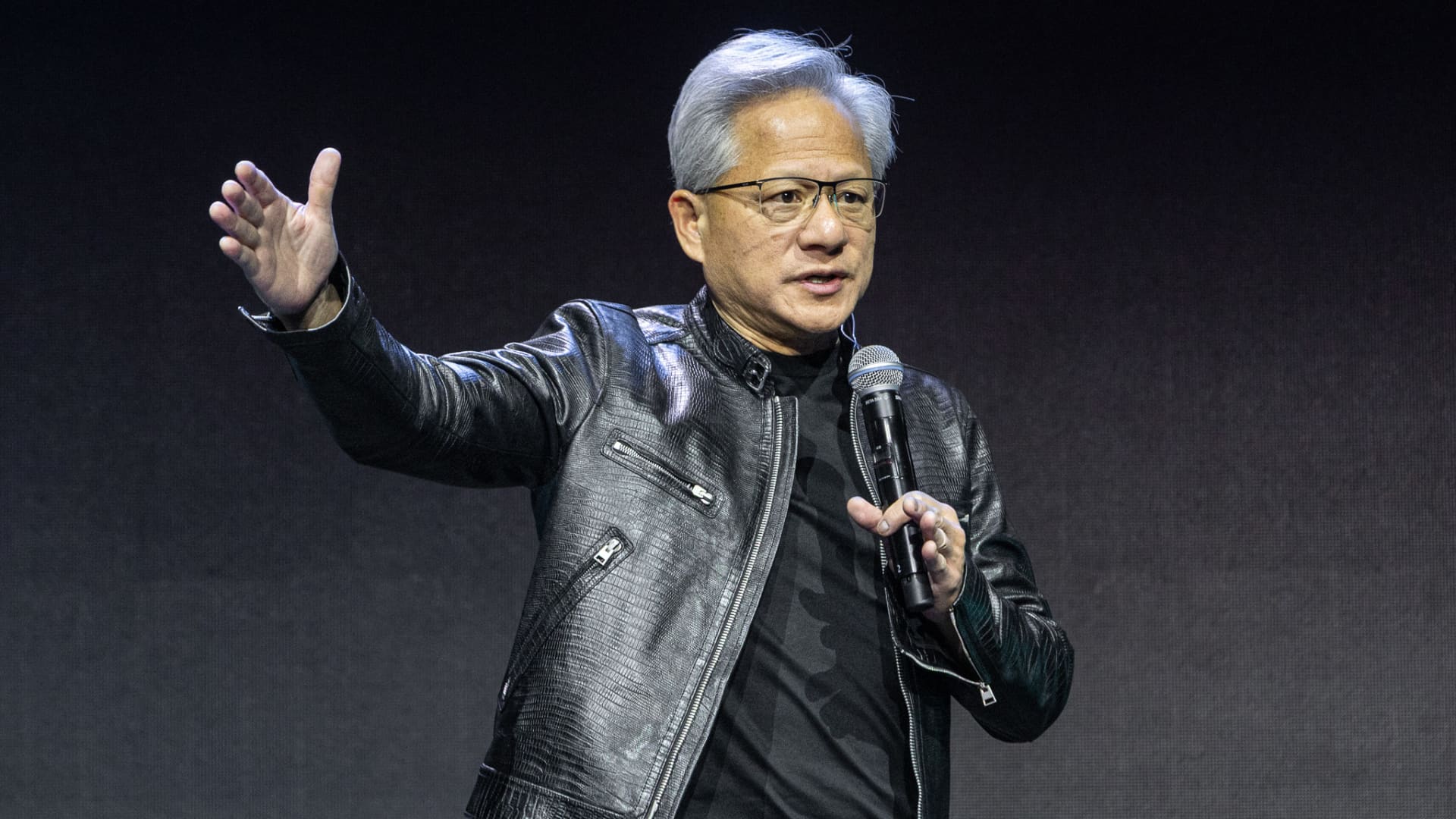
Nvidia CEO Jensen Huang has declined a Senate Banking Committee invitation to testify on the company’s role in the AI boom and its dealings in China, signaling the growing geopolitical complexities surrounding advanced chip exports. The decision highlights the delicate balance tech giants must strike between innovation-driven growth and national security concerns.
🚀 Tech Strategy & Market Disruptions
- AI Chip Export Scrutiny. Regulatory bodies are intensifying their examination of Nvidia’s AI chip sales to China, prompting concerns about technological dominance and national security.
- Geopolitical Balancing Act. Nvidia, a key player in the global AI race, faces pressure to navigate complex U.S. export controls while seeking to maintain its market presence in crucial international markets.
- Innovation vs. Restriction. The debate centers on whether advanced AI hardware should be more widely available for global innovation or tightly controlled to prevent adversaries from gaining a technological edge.
The refusal by Jensen Huang to testify underscores the elevated pressure on Nvidia amidst ongoing debates in Washington regarding the export of its cutting-edge AI semiconductors. Lawmakers are grappling with how to foster American AI development and maintain technological supremacy without inadvertently arming U.S. rivals. Huang’s absence from the hearing, scheduled to address AI’s role in American innovation, affordability, and national dominance, leaves a notable void in the public discourse.
Senator Elizabeth Warren had specifically requested Huang’s testimony to discuss Nvidia’s business activities in China and its stance on U.S. export regulations governing the international sale of advanced American technology. Huang’s response, citing an inability to attend, points to the intricate challenges in aligning corporate interests with governmental policy objectives. This situation reflects a broader trend where the strategic importance of AI hardware is placing semiconductor companies at the forefront of international trade and security discussions.
- Huang’s decision follows previous concerns raised by Senator Warren regarding Nvidia’s lobbying efforts that she argued could bolster China’s military capabilities and erode American technological leadership.
- The company, while acknowledging the committee’s focus, maintains its commitment to supporting American researchers and businesses at the vanguard of AI technologies.
- Nvidia’s CEO has previously advocated for allowing U.S. firms to compete freely in global markets, including China, arguing for the importance of offering competitive products worldwide.
Huang did extend an invitation for Warren or any committee member to visit Nvidia’s headquarters to discuss their technology and contributions to the U.S. AI ecosystem. This approach highlights Nvidia’s strategy of engaging directly with policymakers to explain its technological contributions and its role in fostering domestic innovation. The company’s stated commitment is to ensure American leadership in AI, while emphasizing confidence in the U.S. system’s ability to maintain this position.
The ongoing tension between export controls and market access is a critical consideration for any technology company operating in the global arena. For Nvidia, the ability to supply its leading-edge AI chips is paramount to its revenue streams and its continued leadership in the field. However, geopolitical considerations, particularly concerning China, introduce significant risks that could impact future sales and technological development pathways. This complex interplay demands a nuanced understanding of both market dynamics and international relations, a topic frequently explored in global technology markets.
Navigating Nvidia’s China Chip Export Tightrope
Huang’s decision not to testify before the Senate Banking Committee marks a significant moment in the ongoing dialogue about AI and international trade. While Nvidia asserts its commitment to U.S. innovation, the refusal to engage directly in a public forum raises questions about transparency and corporate accountability. The company’s position, as articulated in correspondence with Senator Warren, emphasizes its historical role in developing AI supercomputing for American researchers and its ongoing efforts to keep U.S. entities at the forefront of AI advancements. Yet, the underlying tension regarding chip exports and their potential impact on geopolitical balances remains a central theme.
The intricate dance between technological advancement and national security dictates that companies like Nvidia must operate with a high degree of strategic foresight. Their innovations, while driving global progress, also become focal points for international policy and regulation, demanding a proactive and transparent approach to governance.
The market’s reaction to such geopolitical maneuverings is often swift, influencing investor sentiment and stock valuations. Companies at the nexus of advanced technology and international trade, like Nvidia, are particularly sensitive to shifts in policy and global relations. Understanding these dynamics is crucial for investors looking to navigate the evolving landscape of the technology sector, a key area of focus at emerging technology markets.
Nvidia’s Market Adoption Challenges in a Shifting Landscape
The refusal of Nvidia’s CEO to testify before the Senate is not merely a corporate decision; it reflects a broader challenge in the digital transformation era where technology leadership is intertwined with national interests. The debate over AI chip exports to China highlights the strategic importance of semiconductor supply chains and the increasing role of government policy in shaping market access. Nvidia’s position as a dominant player in AI hardware places it at the center of these complex discussions. The company’s ability to continue its innovation trajectory while navigating these geopolitical pressures will be a key determinant of its future growth and market position. Investors are closely watching how these international relations impact the broader technology market trends.
Unpacking the Geopolitical Undercurrents of AI Dominance
The situation surrounding Nvidia’s AI chip exports and Jensen Huang’s refusal to testify underscores the profound impact of geopolitics on technological innovation. As AI continues its rapid ascent, the control and dissemination of critical hardware components become a significant point of contention between nations. Nvidia’s future growth trajectory will undoubtedly be shaped by its ability to manage these complex international relationships and regulatory landscapes, presenting a dynamic challenge for its strategic planning.
- The refusal to testify amplifies concerns about transparency regarding Nvidia’s China business and its implications for U.S. technological leadership.
- Nvidia’s stance reflects a desire to advocate for open competition while facing governmental pressure to restrict exports for national security reasons.
- The broader implications suggest a future where AI hardware development and deployment are increasingly subject to international policy and geopolitical alignment.
How will Nvidia balance its commitment to global AI innovation with the escalating demands for national security and export control?
📊 StockXpo Analyst’s View
Market Impact: Investor sentiment around Nvidia may become more volatile due to perceived regulatory headwinds and geopolitical tensions, potentially impacting market liquidity for related tech stocks. Uncertainty surrounding export policies could also lead to increased investment in domestic chip manufacturing alternatives.
Sector To Watch: The semiconductor manufacturing equipment sector and companies focused on AI infrastructure development within allied nations are poised for potential growth as diversification strategies gain traction. Conversely, hardware companies with heavy reliance on export markets facing sanctions may experience increased pressure. This evolving situation demands careful monitoring of global technology developments.
Financial Disclaimer:
StockXpo.com is a financial news aggregator and educational portal, not a registered investment advisor or broker-dealer. All information, news, and analysis provided herein are strictly for educational purposes and do not constitute investment, financial, legal, or tax advice. Investing in the stock market involves high risks, and past performance is not indicative of future results. StockXpo will not be liable for any financial losses or investment damages. Always consult a certified financial advisor before making market decisions.
MORE IN INSIDE TECHNOLOGY

AI Innovation Fuels Southeast Asia’s Digital Growth
Published: Thursday, October 22, 2026 · 12:36 AM
NextDC Shares Plunge: Power Delays Threaten Australia’s Data Center Growth
Published: Wednesday, October 21, 2026 · 1:50 AM